


Clash of Kings
3.864.41K Reviews
App Specs
- Version
- 12.04.0
- Updated On
- License
- Free
- Downloads
- 50,000,000+
- Developer
- Elex Wireless
- Categories
- Strategy
- Platform
- Android, iOS
Screenshots
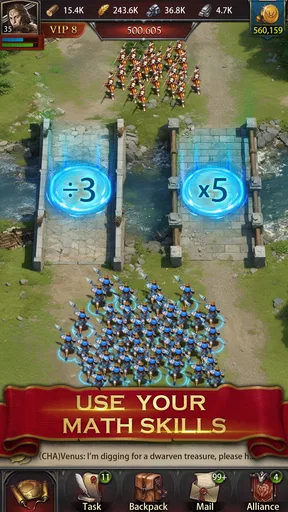
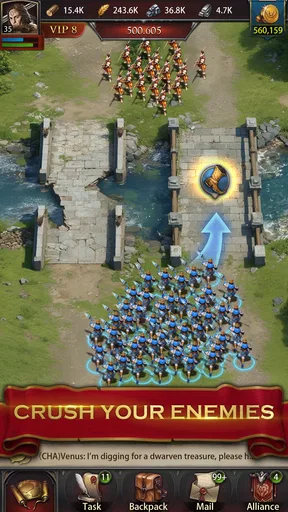
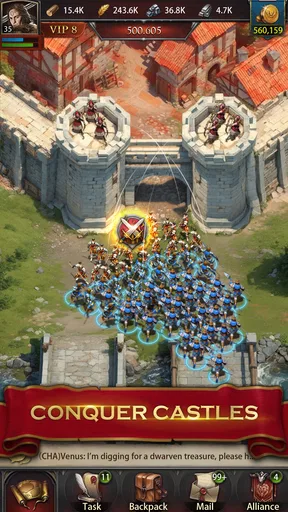
 Analysis by AppCompare
Choosing a strategy game is easier when you know what the first few sessions actually feel like. Clash of Kings is a long-running mobile kingdom game from Elex Wireless, built around growing a base, managing supplies and dealing with other players. I’d approach it as a gradual, social strategy game rather than a quick match: early progress is about learning what your kingdom needs, while the larger appeal comes from coordinating with an alliance and making choices that matter over time.
What to expect from a kingdom game
The core loop combines construction, resource planning and military decisions. You’ll make steady improvements to your settlement, then decide how those improvements support the troops and defenses you want. That makes the game a better fit for someone who enjoys checking a developing strategy over several short visits than for someone looking for a self-contained battle that starts and ends in a few minutes.
It sits in the same broad mobile strategy space as base-building games where players compete or cooperate online, but its kingdom-and-alliance focus gives social coordination a central role. If you prefer solving every challenge alone, that emphasis may feel like extra work. If you like comparing plans, sharing advice and having a group to consult before taking a risk, it can give routine building decisions more purpose.
The audience is substantial: the game has passed 50 million installs, with an average rating of 3.8 from around 2.3 million ratings. Those figures suggest a widely tried game, not a guarantee that its pace or competitive style will suit everyone. It is free to start, rated Teen, and includes optional purchases priced from $0.99 to $394.99 per item. I’d set a spending boundary before playing; a broad purchase range is a good reason to decide in advance whether you want to spend at all.
Your first setup and early priorities
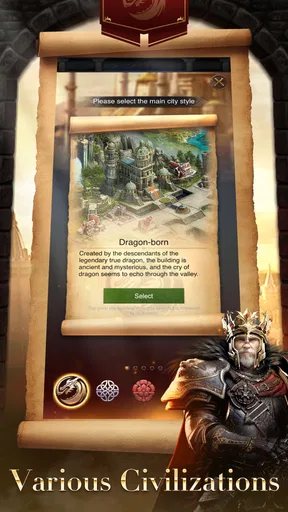
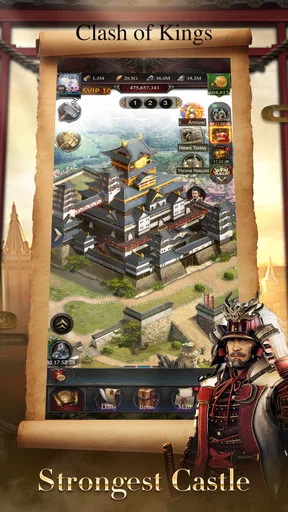
When you first dive into Clash of Kings, you're immediately tasked with constructing your very own kingdom. It's a lot like playing with digital Legos, except your creations can go to war. The interface is pretty intuitive, allowing you to build structures like farms, barracks, and castles with just a few taps. The game does a great job of introducing you to its mechanics without overwhelming you, which is something I really appreciated.
My practical advice for those opening sessions is to resist treating every available upgrade as equally urgent. Look at what the next step in your current goal actually requires, then use your resources with that need in mind. A small pause to check requirements can prevent you from spending supplies on a building that feels satisfying now but does little for the plan you are trying to complete.
One of the first things I noticed was how important it is to balance resource management. You have to keep an eye on your food, wood, and gold supplies, or else your kingdom might just crumble before it even gets a chance to shine. The strategic depth here is surprisingly rich, and it kept me engaged for hours on end.
Worth Reading Before You Choose

Flipboard Shows What News Apps Must Do Beyond the Feed

Switching to Android Auto Means Rethinking Your Driving Routine

Google Calendar Makes a Crowded Week Easier to Manage

Ludo King Makes the Most of the Minutes Between Plans

Baby Panda World Brings Quick Play to Modern Phones, but Its Game Library Feels Busy

ESPN’s Live Game View Makes Following Close Games Easier
A useful first milestone is not simply making the settlement look bigger; it is reaching a point where you understand what your resources are doing for you. When you can identify which shortage is holding back your next intended improvement, you have a clearer basis for choosing what to collect or build. That habit matters more than trying to advance in every direction at once.
The first meaningful success: make a plan, then act
For a new player, I’d define an early success as completing a modest development goal without leaving the kingdom’s other needs in confusion. Pick one useful improvement, check its requirements, and work toward it rather than bouncing between unrelated upgrades. That gives you a simple way to learn the interface and see how resource decisions connect to progress.
After that, take time to understand your military choices before committing to a fight. The point is not to attack as soon as the game makes combat available; it is to know what you are sending and why. Comparing a target with your current capabilities, and asking an alliance member for perspective when possible, turns a potentially wasteful experiment into a more deliberate decision.
This is also where the game’s pace becomes clearer. It rewards attention and follow-through, but it does not require every session to become a long planning meeting. A quick check can help you decide what to work toward next; a longer visit is more useful when you want to discuss a group plan or review a battle decision. I found that separating those two kinds of sessions made the ongoing game easier to fit around ordinary routines.
Building Your Empire
One realistic routine might be checking in during a break, noticing that a needed supply is short, and choosing a focused improvement rather than trying to overhaul the whole kingdom. Later, when you have more time, you can look at how that choice fits your military plans or ask your group what it recommends. That approach keeps the game from turning every small visit into a scramble to catch up.
Alliances and diplomacy
Now, let's talk about alliances. In Clash of Kings, you can join forces with other players to form powerful alliances. This aspect of the game is crucial if you want to survive the cutthroat world of competitive strategy gaming. I found it fascinating how alliances can help you with resources, offer protection, and even team up for massive battles. It's like having your own medieval squad, and who doesn't love a good squad?
Being part of an alliance also opens up the world of diplomacy. You can negotiate peace treaties, trade resources, and plan coordinated attacks on rival kingdoms. It's not just about brute force; a little bit of charm and cunning can go a long way in this game.
For a first-timer, joining a group is not just a shortcut to help; it changes how you evaluate risk. A move that looks sensible for one player might interfere with a group’s plans, so it is worth asking what is expected before joining a shared effort. When you are unsure, listening first is a practical way to learn the local norms without committing your kingdom to a plan you do not understand.
There is a trade-off: social play can make the world feel alive, but it also means other people’s schedules and priorities influence your experience. If you want a game that never asks you to coordinate or communicate, alliances may become a chore. I’d look for a group whose pace and expectations feel comfortable rather than assuming that the most competitive one is automatically the best fit.
Combat decisions and common confusion
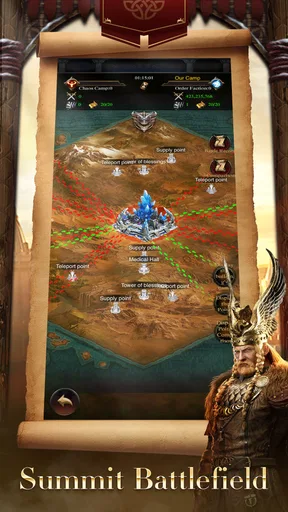
The combat in Clash of Kings is where the game truly shines. Planning your attacks and defenses requires a good mix of strategy and intuition. Whether you're sending your troops to raid a nearby kingdom or defending your own turf from invaders, every decision counts. I found myself constantly tweaking my strategies, and it was exhilarating to watch my plans unfold on the battlefield.
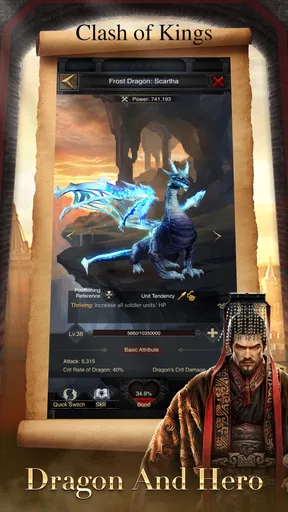
The game offers a variety of units, each with its own strengths and weaknesses. From cavalry to archers, knowing how to deploy your troops effectively can be the difference between victory and defeat. And let's not forget about the heroes you can recruit to lead your armies. These characters add another layer of strategy, as each hero brings unique abilities to the table.
A common point of confusion in a strategy game like this is assuming that a larger army automatically makes every attack sensible. I would treat troop composition, the purpose of the move and the likely consequences as separate questions. If you are unsure what a unit or hero contributes to a plan, pause to inspect your options rather than sending forces just to see what happens. That caution is especially useful when a poor decision could set back more than one part of your progress.
Another useful distinction is between learning combat and proving yourself in combat. Early on, a defensive or low-risk choice can teach you how your forces work without making every encounter a test of pride. That may feel slower than chasing a dramatic win, but it gives you better information for later decisions and helps you avoid confusing a lucky result with a reliable strategy.
Presentation, pacing and the social side
Visually, Clash of Kings doesn't disappoint. The game features detailed graphics that bring your kingdom to life, from the bustling marketplaces to the majestic castles. The animations during battles are smooth and satisfying, adding to the overall immersion. The sound design complements the visuals perfectly, with epic music and sound effects that make you feel like you're right in the heart of the action.
What really sets Clash of Kings apart is its social element. Interacting with players from all over the world adds a dynamic layer to the game. You can chat with your alliance members, strategize your next moves, or just share a laugh about the latest in-game event. The community is active and welcoming, making it easy to find like-minded players to team up with.
Plus, there are regular events and challenges that keep the game fresh and exciting. Whether it's a holiday-themed event or a special tournament, there's always something new to look forward to. These events often come with great rewards, so they're definitely worth participating in.
Events can be tempting because they create a clear short-term goal, but I would not let every event dictate how you develop your kingdom. Before committing, consider whether its demands fit the resources and time you actually want to spend. A reward is only helpful if pursuing it does not pull you away from the plans you care about more.
The presentation helps make routine visits pleasant, though visuals and battle effects are not the main reason to stay. The deeper question is whether you enjoy the ongoing decisions and social context. Compared with a turn-based strategy game that gives you a neat, isolated puzzle, this kind of persistent kingdom play can feel less predictable and more communal, but also less convenient when you want a complete experience in one sitting.
Who will enjoy it, and who may prefer something else
I’d recommend giving it a try if you like gradual base development, resource trade-offs and the idea of learning alongside an alliance. It can suit someone who enjoys checking in around a busy day and returning later to make a more considered choice. It is less likely to satisfy a player who wants a purely solo campaign, tightly bounded matches, or strategy without ongoing social competition.
It is also worth being honest about the commitment. A game that connects kingdom growth with other players can encourage frequent attention, and optional purchases may be a temptation if you feel behind. I would not treat spending as a requirement for enjoyment, but I would keep my own limits clear and judge progress by the decisions I understand, not by how quickly another player appears to advance.
Moving from a first win to a steady kingdom
Once you have completed an early goal and understand the basic link between construction, supplies and troops, choose a direction for your next stretch of play. You might focus on strengthening the settlement, becoming more useful to your alliance, or learning how different forces fit into your preferred approach. Keeping one main priority in view makes new options easier to assess.
If you are comparing versions or checking whether your device is ready, the current release is 11.11.0 and the minimum Android requirement is 5.0. The game was released on June 30, 2014, so it has had a long life in a genre where player communities and competitive routines can matter as much as the opening tutorial. I’d install it expecting an established, evolving strategy experience rather than a short, finished campaign.
Overall, Clash of Kings offers a rich and engaging experience for anyone who loves strategy games. It's a game that rewards careful planning and teamwork, while also providing plenty of opportunities for epic battles and kingdom-building. Whether you're a seasoned strategist or new to the genre, there's something here for everyone.
If you're ready to embark on a journey of conquest and diplomacy, I highly recommend giving Clash of Kings a try. With its captivating gameplay and vibrant community, it just might become your next gaming obsession.
Pros
- Engaging real-time strategy gameplay.
- Diverse range of troops and heroes.
- Regular events keep content fresh.
- Strong community and alliances.
- Stunning graphics and animations.
Cons
- Steep learning curve for beginners.
- In-app purchases can be expensive.
- Requires stable internet connection.
- Notifications can be overwhelming.
- Long build times without boosts.
FAQs for Clash of Kings
What is Clash of Kings and what can players expect from it?
Clash of Kings is a popular real-time strategy game where players build and expand their empire, forming alliances and battling against other players worldwide. With immersive medieval settings, players can expect engaging gameplay that involves resource management, strategic planning, and large-scale battles. The game offers both single-player and multiplayer experiences, fostering both competition and collaboration.
Is Clash of Kings free to play, and are there in-app purchases?
Clash of Kings is free to download and play on both Android and iOS platforms. However, it offers in-app purchases that can enhance gameplay by providing resources, special items, or speeding up progress. While these purchases can offer advantages, they are not mandatory, and players can still enjoy the game without spending money.
What are the system requirements for Clash of Kings on mobile devices?
For Android users, Clash of Kings requires Android 4.1 or higher, while iOS users need iOS 10.0 or later. The game runs smoothly on most modern devices, but a stable internet connection is essential for online play. Players should also ensure they have enough storage space, as updates and expansions can increase the game's size.
How does the multiplayer aspect of Clash of Kings work?
The multiplayer mode in Clash of Kings allows players to join alliances, participate in battles, and compete in global events. Alliances can work together to conquer territories and defeat common enemies. Communication and coordination with other players are key, and the game includes chat features to facilitate this. It's a social experience that enhances engagement and strategy.
What measures are in place to ensure fair play in Clash of Kings?
Clash of Kings implements several measures to promote fair play, including regular updates to combat cheating and exploit use. The developers maintain an active support team to address player concerns and enforce rules. Players are encouraged to report suspicious activities, and there are systems in place to detect and ban accounts involved in unfair practices.


